When to Use a Urethane Bowling Ball (and When to Leave It in the Bag)
Bowling.com Pro Staff Posted: August 27, 2026
Last Updated: October 12, 2026

Quick Summary: Urethane isn't a weaker reactive ball. It's a different tool. This guide explains how urethane actually moves, when it beats reactive, when it'll cost you carry, and how to throw it so the ball does what it was built to do.
Watch a tournament long enough and you'll see it. A bowler pulls a dull ball out of the bag, they play a tighter line than everyone else, and they start striking while the reactive balls are snapping too early or too late. That's urethane doing its job.
Whatever happened to urethane?
Urethane bowling balls didn't disappear. Reactive resin just took over typical house shots, and for most Tuesday nights that's still the right call. But urethane is the right call on certain conditions, for certain players, at certain times in a block. Used there, it's one of the most useful balls you can own. But, if it's used as an everyday league ball by the wrong bowler, it'll leave a stack of 10-pins.
Urethane is useful, but you have to know when to say when. You should know when to throw it, when to leave it alone, and whether it belongs in your bag at all.
What urethane actually does differently
If you want the coverstock basics first, start with our guide to plastic, urethane, and reactive covers. The short version for this decision is simple.
Reactive covers have microscopic pores. They soak up oil, store energy through the mid-lane, and spend that energy when they hit friction downlane. That's the skid-flip shape most of us grew up watching.
Urethane doesn't work that way. It pushes oil instead of drinking it. Friction shows up earlier, and it stays more even from the mid-lane to the pins. The ball starts reading sooner, keeps rolling, and doesn't make that sharp left turn at the breakpoint.
That produces a round motion, not an angular one. The ball starts sooner, stays on a continuous arc, and doesn't jump left the first time it finds a dry board. Misses stay closer to the intended line. On a pair that has been used all night, that calm is the whole point. A solid reactive ball can check up hard when it crosses those burnt mid-lane boards. Urethane tends to glide through the same area and keep its shape.
Modern urethane cores are built to match that cover. You'll usually see modest differentials and smooth, symmetrical shapes. The point is control and roll instead of a violent change of direction. Pearl urethane is the main exception. It can clear the fronts a little cleaner than a sanded solid and still finish with that same continuous shape, which is why some players keep both.
None of this makes urethane “weaker.” It makes it a different shape. If the night needs that shape, reactive is the wrong tool. If the night needs length and backend continuation, urethane is the wrong tool. That's the whole argument.
When urethane is the right call
Short Patterns:
On sport and challenge shots around 37–39 feet, the oil ends sooner and the backends get hooky. Reactive often reads too early or over-hooks off the spot. Urethane starts sooner, stays in front of you, and gives you a tighter miss room. This is the matchup that made urethane a regular tour ball again.
A house shot that's been chewed up:
Fresh typical house oil is usually a reactive night. Three leagues later, the mid-lane is dry and the track is a canyon. If your reactive ball is checking up at 35 feet and leaving flat 10s, urethane can use that burn instead of fighting it.
You're speed-dominant:
If the ball gets to the breakpoint before it's revved up, reactive skates. Urethane’s earlier traction gives speed-dominant players a read they can't create with a polished reactive ball. You're not trying to hook more. You are trying to get the ball into a roll before it runs out of lane.
You need a straighter, quieter strike ball:
Some nights the winning look is down and in, not swing it. Urethane lets you stay inside the track, keep the ball in front of you, and shrink the size of a miss. Plenty of good players throw it for that reason alone, even when a reactive ball would hook more.
You're managing a pattern, not just chasing strikes:
In tournaments, a common two-ball plan is urethane early to control the front and mid-lane, then reactive later when carry-down has moved the oil downlane. Urethane doesn't absorb much oil so it moves oil forward. That can make the pair worse for the field and better for the reactive ball you throw behind it. On a league pair that already has plenty of carry-down, that same trait is a reason to be careful.
When to leave it in the bag
Fresh, heavy house oil and lower revs:
If you don't create much friction yourself urethane will push. It'll look like it's gonna come back and then it won't. You need the extra bite of a reactive cover.
Your carry depends on angle:
Urethane drives through the rack more linearly. That's great when you're hitting high on the head pin and rolling into the 5. It's a problem when your strikes come from a sharp entry that rips the 5-pin out and kicks the corners. If you live on light hits and continuation, urethane will leave stubborn corner pins.
High revs on a longer pattern:
Plenty of revolutions plus an early-rolling cover is a good way to roll out. The ball spends its energy in the mid-lane and gets to the pins tired. On 43-foot and longer shots, most high-rev players are better off with something that can skid longer.
You're still learning to hook the ball:
Beginners usually get more help from an entry-level reactive ball. Reactive forgives a late release and still gives you some backend. Urethane asks you to play a tighter line and live with less continuation. It's a specialist piece, not a first performance ball.
That last point matters if you are shopping. Urethane often costs less than a high-performance reactive ball, so it shows up as a tempting “first real ball.” If it's your only ball and you bowl on a typical oiled house shot, you'll spend the season pushing the pocket and wondering why the corners won't fall. Buy urethane to solve a problem. Don't buy it because it looks serious and the price is friendly. If you're building a bag from scratch, start with the coverstock guide and add urethane once you already have a reactive ball you trust.
How to throw urethane so it actually works
The most common mistake is throwing urethane on the same line and at the same speed as your reactive ball. Then people decide urethane “doesn’t hook” and put it away.
Urethane wants to be played through the middle more than it wants to be swung. Move inside. Give it a chance to roll in the oil instead of asking it to recover from the gutter boards. Soften the speed a little if you can do it without losing your timing. Early roll is the point. You are not trying to store energy. You are trying to spend it on purpose.
Surface still matters, just not the way it does on reactive cover balls. Factory finishes on modern urethane are often in the 500 to 1000 range. You can tweak that. What you can't do is sand a urethane ball and expect it to become a sanded reactive ball. The cover chemistry is the difference, not just the grit.
Watch the 5-pin. Urethane that's working drives through the heart of the rack. Urethane that's rolled out or too weak leaves the 5 standing or kicks it offline and leaves a corner. If you want a deeper look at that read, we broke it down in a recent article, Entry Angle Is Everything.
One more practical note: Wipe the ball every shot. Urethane doesn't drink oil the way reactive does, but it carries oil on the surface readily. A dirty urethane ball becomes a different ball by the fifth frame.
A quick way to decide tonight
Ask yourself four questions before you pull it out of the bag.
- 1. Is the pattern short, or has the mid-lane already dried out?
- 2. Are the reactive balls in your bag over-reading or snapping too soon?
- 3. Can you live with a smoother entry and a few more 9-counts if the line is tighter?
- 4. Are you willing to move inside and change speed, or are you going to throw it on the same line as your reactive ball?
If the answer is yes across those four, throw it. If the oil is fresh and heavy, your revs are low, or you need that backend kick to carry, leave it there. You'll shoot better with the boring answer than with the ball you saw a pro throw on television.
You'll also know within two shots. A good urethane look is quiet. The ball picks up in the mid-lane, stays on the arc you started, and rolls into the 5-pin. A bad look is a ball that never comes back, or one that stands up early and dies at the pins. If you have to muscle it or aim at the channel to create motion, you have the wrong ball in your hand. Put it away and get back to the reactive ball that actually matches the oil.
| Urethane | Reactive | |
|---|---|---|
| Oil behavior | Pushes oil, absorbs very little | Soaks up oil through the cover |
| Shape | Early, round, continuous | Longer skid, stronger change of direction |
| Best conditions | Short patterns, dry mid-lanes, burnt house shots | Fresh oil, longer patterns, typical house shots |
| Carry style | Linear, roll-into-the-pins | More entry angle and pin action |
| Who it helps most | Speed-dominant players, control players, pattern managers | Players who need backend continuation and traction |
What to look for if you are adding one
Stay in the category, not the launch calendar. The useful differences inside urethane are cover type, surface, and core strength.
Solid urethane with a sanded finish is the classic control look. It's an early read, smooth arc, short-pattern workhorse.
Pearl urethane usually gets a little farther before it picks up. Same family of motion, slightly different timing. You'll find it handy when a solid starts too soon.
Core numbers still matter. Lower differential means less flare and a quieter roll. A stronger core in a 78-durometer cover can add a bit more motion without turning the ball into a reactive piece. Hardness rules have pushed a lot of current urethane to 78D for competition use. That's worth checking if you bowl events with equipment inspections, but it shouldn't be the reason you buy the ball. Buy it because the shape matches the nights you actually bowl.
Bowling.com carries the main options in this category, including pieces like the Storm IQ Tour 78/U, the Brunswick Crown 78U, and the Storm Pitch Black. Compare them by cover, finish, and the conditions you see most, not by which one showed up in a highlight clip.
If you're still sorting out which cover belongs in the bag, go back to What is a bowling ball coverstock? and the plastic vs urethane vs reactive breakdown. Then shop by coverstock and be honest about the lanes you actually see. The right urethane ball is the one that solves a problem your reactive balls cannot. If you don't have that problem yet, you don't need it yet.
Urethane Bowling Balls Frequently Asked Questions
Q: When should I use a urethane bowling ball?
A: Use urethane on short sport patterns (around 37–39 feet), burnt or chewed-up house shots, or when your reactive balls are snapping too early. It is also a strong option for speed-dominant players who need earlier traction so the ball rolls before it runs out of lane. Urethane works when you want a round, continuous shape instead of a sharp backend flip.Q: When should I leave urethane in the bag?
A: Leave it in the bag on fresh, heavy house oil if you have lower revs, on longer patterns if you have high revs, or when your carry depends on a sharp entry angle. Beginners should usually start with an entry-level reactive ball instead. Urethane is a specialist piece, not an everyday league ball for most house shots.Q: How is urethane different from a reactive bowling ball?
A: Reactive covers soak up oil and store energy for a later, sharper hook. Urethane pushes oil instead of absorbing it, so friction starts earlier and stays more even. The result is a smoother, rounder arc with less snap at the breakpoint. Misses stay closer to the intended line, which is why it shines on dry mid-lanes and short patterns.Q: How should I throw a urethane ball?
A: Do not throw it on the same line and speed as your reactive ball. Move inside, play more through the middle, and soften speed slightly if you can keep your timing. Early roll is the point. Wipe the ball every shot because urethane carries oil on the surface even though it does not absorb much of it.Q: Is urethane a good first bowling ball for beginners?
A: Usually no. Urethane asks you to play a tighter line and gives less backend continuation. Beginners typically get more help from an entry-level reactive ball that still hooks if the release is late. Buy urethane to solve a specific problem your reactive balls cannot, not because it is cheaper or looks like a serious ball.Need more info on bowling balls? Search all of our bowling ball articles above.
More Recent Bowling Balls Articles
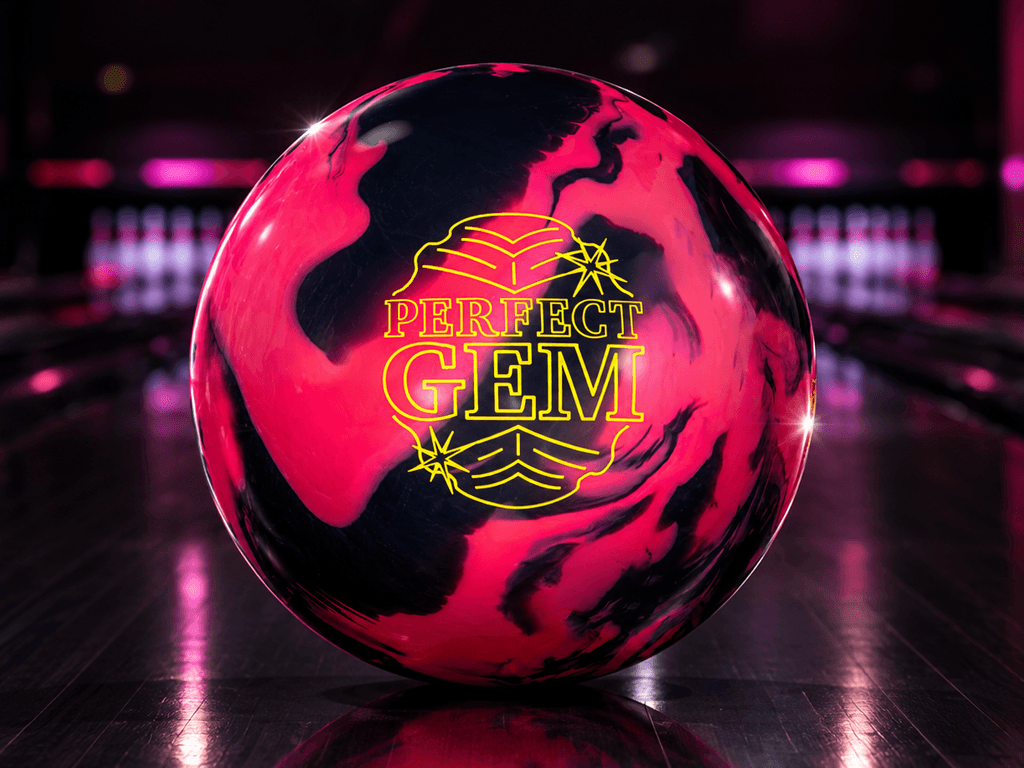
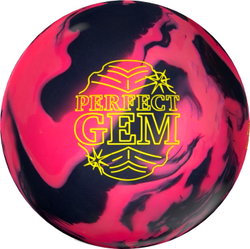
Roto Grip Perfect Gem Ball Review: The Cleaner Gem That Still Hits
The Roto Grip Perfect Gem is the most usable Gem in the line. It keeps the strong, early Gem roll bowlers already trust, gets through the heads a little cleaner than the original, and still drives through the pins once the pair starts to open up. Read the review to find out if this gem is perfect for you!
Read ArticleHow to Choose a Spare Ball: Plastic vs Clear vs Urethane
This guide walks through every spare-ball option, from basic plastic and Viz-A-Balls to clear covers, plastic with cores, hard urethane, and low-end reactive, so you can match the ball to your style and the conditions you actually bowl.
Read Article