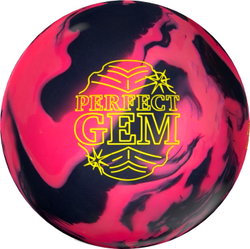
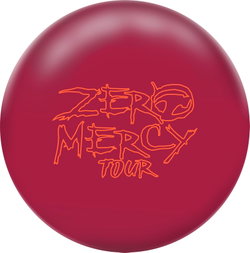
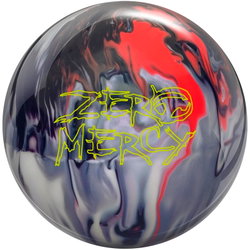
Choosing the Right Spare Ball:
Plastic, Viz-A-Balls, Clear Spares, Spares with Cores, Hard Urethane, Low-End Reactive
Bowling.com Pro Staff Posted: September 28, 2026

Quick Summary: Choosing the right spare ball comes down to your style, your goals, and the conditions you bowl on. Plastic remains the most reliable option for straight‑line spare shooting, while Viz‑A‑Balls and Clear balls offer personality and premium aesthetics. Plastic balls with cores provide a middle ground, and urethane or reactive options can work for bowlers who want durability beyond traditional plastic options.
Quick Links:
Picking the right spare ball is one of the simplest ways to improve your consistency and raise your average. Whether you’re shooting corner pins, multi-pin leaves, or needing something for dry conditions, the ball you choose matters. Spare balls come in different materials, types, and price points, and each option offers its own strengths.
This guide breaks down the major categories of spare balls, explains the pros and cons of each, and gives you a clear understanding of what fits your game best.
Plastic Balls
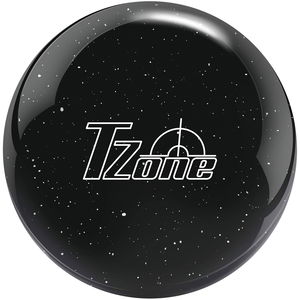 Plastic spare balls are the most common option for bowlers of all skill levels. They’re designed to go straight, resist lane friction, and offer predictable performance regardless of lane conditions. If your goal is simple, reliable spare shooting, plastic is the standard.
Pros
Plastic balls are extremely consistent. They hook less than every other ball on the market, they’re the cheapest bowling balls available, and come in many different colors. If you’re a rev dominant bowler, a 2-hander, or someone wanting the straightest option possible, a true plastic ball will be your best bet to pick up a spare.
Cons
While plastic balls are incredibly cheap compared to other balls, they're also less durable. The finger/thumb holes crack more often than their urethane or reactive counterparts.
Examples of Plastic Balls
Most major brands produce their own spare ball, but here are 4 of the most popular options for plastic spare balls:
Typical Price Range for Plastic Balls
Most plastic spare balls fall between $60–$90, depending on brand and design.
Viz‑A‑Balls
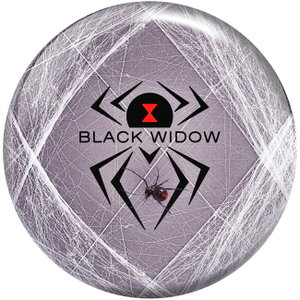 Viz‑A‑Balls are a sub‑category of plastic balls known for their unique graphics and eye‑catching designs. They perform like traditional plastic but offer more personality with a higher price point.
Pros
Viz‑A‑Balls provide the same straight‑line performance as standard plastic while giving bowlers a chance to express themselves. They hook slightly more than a true plastic, and also just look cooler than other options.
Cons
Because the focus is on design, Viz‑A‑Balls cost slightly more than basic plastic options. Viz-A-Balls hook slightly more than true plastic balls. We listed that under both pros and cons. It really depends on what you're looking for. And lastly, they also may show cosmetic wear more quickly due to their printed graphics.
Examples of Viz-A-Balls
There are dozens of Viz-A-Ball options, so here are some examples:
- Hammer Black Widow Viz-A-Ball
- Brunswick World Viz-A-Ball
- Brunswick Sea Turtle Viz-A-Ball
- Brunswick Hearts Glow Pink Viz-A-Ball
Typical Price Range for Viz-A-Balls
Most Viz‑A‑Balls range from $100–$155, depending on the complexity of the artwork.
Storm Clear Spare Balls
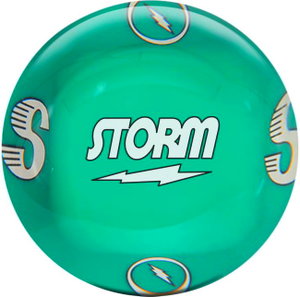 Storm’s Clear series is one of the most recognizable spare ball lines in bowling. These balls feature a fully transparent coverstock with a logo or emblem suspended inside, creating a premium look.
Pros
Clear spare balls offer a similar lack of hook like true plastic balls. The look of a clear ball is unique and really stands out going down a lane.
Cons
Clear balls typically cost more than standard plastic options. Along with the price, they hook slightly more than cheaper plastic options and will look worse if they need to be plugged.
Typical Price Range for Storm Clear Balls
Storm Clear spare balls generally fall between $130–$170.
Plastic Balls with Cores
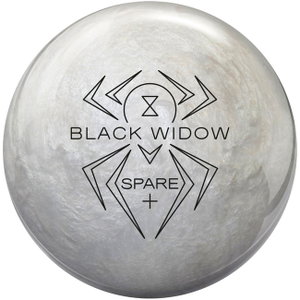 Some plastic balls include a traditional weight block inside, giving them slightly different motion characteristics compared to coreless plastic.
Pros
Plastic balls with cores can offer a touch more stability and improved hit when used for strike shots. They still travel straight, but the added core can help with increased hook potential on dry conditions (for rev dominant bowlers).
Cons
They may hook too much for many traditional spares, (think 10 pins and 7 pins). Also, the price of a plastic ball with a core is higher than traditional plastic.
Examples of Plastic Balls with Cores
There are two major examples of spare balls with cores:
Typical Price Range for Spare Balls with Cores
These balls typically cost $100–$150, depending on the core design.
Urethane Balls
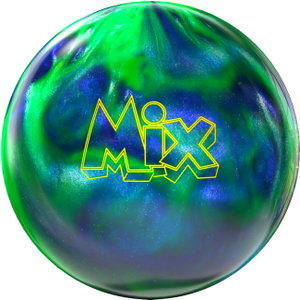 Urethane isn't traditionally considered a spare‑ball material, but some hard urethane options like the Storm Mix exist for bowlers wanting slightly more hook, more durability, and a different look on the lanes.
Pros
Urethane provides more durability than traditional plastic. While plastic will chip around holes, urethane stays intact for longer. Also, hard urethane options hook slightly more than plastic which can help on some spare shots. In a pinch, a hard urethane could be used for a strike shot as well.
Cons
Hard urethane hooks more, which is an issue for many rev dominant bowlers. Also, you get a slightly higher price point with hard urethane.
Examples of Hard Urethane Balls
There's only one major example of a hard urethane ball on the market right now:
Typical Price Range for Hard Urethane
The Storm Mix typically runs a cost around $90.
Reactive Balls
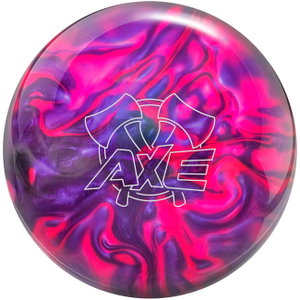 Reactive resin balls are rarely used as dedicated spare balls, but some low-end reactive balls have been made to be used for spares.
Pros
Reactive balls offer the most traction and hook potential. They can help bowlers who want extra hook in their spare ball along with the added durability of reactive resin. And they come in many different color options.
Cons
But reactive balls are the least predictable for spares. Their sensitivity to oil makes them inconsistent for corner pins, and high‑rev players may struggle to keep them straight. And like most other non-plastic balls, they also cost more.
Examples of Low-End Reactive Balls
There's really only one low-end reactive ball available right now:
Typical Price Range for Low-End Reactive Balls
Low-end reactive balls are usually at a price around $85.
Final Thoughts on Spare Balls
Choosing the right spare ball comes down to your style, your goals, and the conditions you bowl on. No matter which category you choose, a dedicated spare ball is one of the easiest ways to improve your consistency and confidence. With the right tool in your bag, you’ll turn more tough leaves into easy conversions, and that’s how averages climb.
Choosing a Spare Ball Frequently Asked Questions
Q: What is the best type of spare ball for most bowlers?
A: A plastic spare ball is the most reliable choice for most bowlers. It hooks the least, stays consistent on any oil pattern, and is the cheapest option. If your goal is a straight, predictable shot at 10-pins and 7-pins, start with plastic.Q: Do I need a dedicated spare ball, or can I use my strike ball?
A: A dedicated spare ball is one of the easiest ways to raise your average. Strike balls hook more as the lanes change, which makes corner pins inconsistent. A spare ball is built to go straight so the same target works in game one and game three.Q: How do Viz-A-Balls and clear spare balls compare to regular plastic?
A: Both still roll much straighter than reactive or urethane balls. Viz-A-Balls and clear spare balls cost more because of the graphics or transparent look. They can hook slightly more than basic plastic and may show wear or look worse if they ever need to be plugged.Q: Should I use urethane or a low-end reactive ball for spares?
A: Only if you want a little extra hook or more durability than plastic. Hard urethane lasts longer around the finger holes and can double as a dry-lane strike ball in a pinch. Low-end reactive balls hook the most of the spare options, which makes them less predictable for corner pins, especially for high-rev players.Q: When would a plastic ball with a core be a better spare ball?
A: A plastic ball with a core still travels mostly straight, but the weight block adds a bit more stability and a touch more hook on dry lanes. That can help if you also use the ball for strike shots. For pure 10-pin and 7-pin shooting, a coreless plastic ball is usually the straighter, safer choice.Need more info on bowling balls? Search all of our bowling ball articles above.
More Recent Bowling Balls Articles

What New Bowling Ball Hooks the Most? Top 3 Hooking Balls (September, 2026)
If you already know everything there is to know about hook potential... take a look at the top 3 new balls that really hook on the lanes!
Read ArticleTop 5 Latest High-Performance Bowling Balls of September, 2026
Loads of new high-performance releases are on the lanes now. This September shortlist covers five balls you can buy today, Equinox Hybrid, Jackal Ghost V2, Combat Solid, Evil Eye Pearl, and Intense Collision, and tells you which oil night each one is built for. Two solids for heavy oil, two pearls for length and finish, one hybrid for when the pair starts to change.
Read Article