Different Types of Bowling Balls:
Plastic, Urethane & Reactive Explained
Bowling.com Pro Staff Posted: April 1, 2026
Last Updated: September 30, 2026

Quick Summary: Plastic, urethane, and reactive bowling balls (plus solid, pearl, and hybrid) explained — what each type does, who it’s for, and how to choose.
Read about the 3 Main Ball Types
The coverstock is probably the most important part of a ball, the part that controls a ball's reaction on the lane. The main types of bowling balls are defined by their coverstock: plastic (polyester) for straight shots and spares, urethane for smooth controlled hook on drier lanes, and reactive resin for the strongest hook on typical house oil. Reactive balls come in three subtypes — solid (earlier traction), pearl (more length and backend snap), and hybrid (balanced). Pick the type that matches your oil and how much hook you want, then shop that coverstock.
Think of the coverstock as the tires on a car. It grips the “road” (the lane) and works together with the core (the engine) to deliver the motion you need. This guide will break down the different kinds of coverstocks available to take the guesswork out of it for you.
Different coverstocks respond differently to oil and friction:
- Some grip early and roll smoothly.
- Others skid longer and then snap aggressively at the back.
This reaction, combined with your core type and release, creates the ball motion you see.
What Are the Main Types of Balls (by Coverstock)?
Bowling ball coverstocks are generally broken down into these categories:
1. Plastic (Polyester) Balls
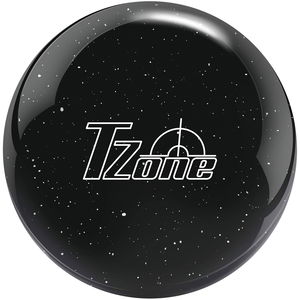 Plastic is the simplest and least aggressive coverstock. It has almost no reactive additives, so it creates very little friction.
- Motion: Goes very straight with minimal hook.
- Best for: Absolute beginners, spare shooting (especially corner pins like the 7 or 10), and learning basic form.
- Where you’ll find it: Plastic category balls and some Entry-Level options.
- Real-world feel: Predictable and forgiving, but it won’t help you develop a hook.
- Best Plastic Coverstock Balls as of September, 2026: 1) Brunswick TZone Night Sky, 2) Brunswick TZone Caribbean Blue, 3) Brunswick TZone Frozen Bliss
2. Urethane Balls
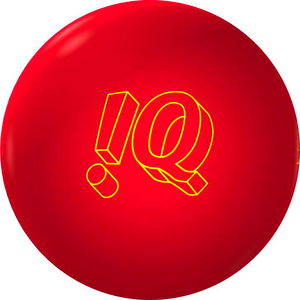 Urethane coverstocks are a step up in traction from plastic, but still much tamer than reactive balls. Urethane creates a smooth, early roll with controlled hook and excellent continuation.
- Motion: Hooks earlier than reactive but with less dramatic backend snap. Great for dry or transitioning lanes.
- Best for: Bowlers who want predictability on lighter oil, or those who prefer a smooth arc rather than a sharp hook.
- Where you’ll find it: Often in Mid Performance or specialized urethane balls (some paired with symmetrical cores).
- Real-world feel: The ball “reads” the mid-lane nicely and keeps rolling through the pins without over-hooking.
- Best Urethane Coverstock Balls as of September, 2026: 1) Storm IQ Tour 78/U, 2) Brunswick Crown 78U, 3) Storm Pitch Black Solid Urethane
3. Reactive Resin Balls
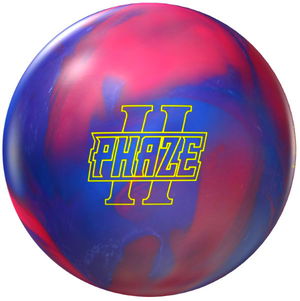 Reactive resin is the modern standard for hooking. Reactive coverstocks contain special chemicals that absorb oil and create strong friction on dry boards. They come in three main subtypes:
Solid Reactive balls have a matte or dull finish. Creates the most overall traction.
- Motion: Earlier hook, strong mid-lane read, and smooth arc. Excellent for heavy oil because it grips sooner.
- Best paired with: Symmetrical or mild asymmetrical cores in Mid to High Performance balls.
- Use when: Lanes have a lot of oil or you need the ball to start moving sooner.
- Best Solid Reactive Coverstock Balls as of September, 2026: 1) Hammer Black Widow 3.0 Solid, 2) Hammer Black Widow 3.0 Dynasty, 3) Motiv Venom Shock
Pearl Reactive balls have a shiny, glossy finish with pearl additives (mica particles).
- Motion: Longer skid through the front and mid-lane, then a sharper, more angular backend reaction.
- Best paired with: Symmetrical cores in Entry to Upper Mid Performance, or asymmetrical in higher categories for extra snap.
- Use when: You need the ball to delay its hook and save energy for a strong finish on medium to drier conditions.
- Best Pearl Reactive Coverstock Balls as of September, 2026: 1) Storm Phaze II Pearl, 2) Radical Torpedo Pearl, 3) Storm Tropical Surge Pearl Kiwi-Apple-Avocado
Hybrid Reactive balls are a blend of solid and pearl materials.
- Motion: Combines the best of both, good mid-lane traction like a solid, plus added backend from the pearl. Very versatile.
- Best paired with: Both symmetrical and asymmetrical cores in Upper Mid and High Performance balls.
- Use when: You bowl on typical house shots that transition throughout the night and want one ball that does many things well.
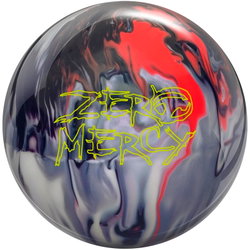
- Best Hybrid Reactive Coverstock Balls as of September, 2026: 1) Hammer Zero Mercy Hybrid, 2) Track Stealth Mode Hybrid, 3) Storm Bionic
How do coverstocks work with cores and lane conditions?
The coverstock and core must work as a team:
- Heavy oil / long patterns: Solid reactive coverstock + high differential asymmetrical core (usually High Performance balls). The solid grips the oil better and the strong core adds flare for backend power.
- Medium house shots: Hybrid or pearl reactive + symmetrical or mild asymmetrical core (Mid to Upper Mid Performance). Balanced length and controllable hook.
- Dry or short patterns: Pearl reactive or urethane + lower RG symmetrical core. Helps the ball skid farther before hooking.
- Spares / straight shots: Plastic coverstock (any core, usually symmetrical).
A strong coverstock on a weak core may feel under-powered. A mild coverstock on a strong asymmetrical core can still produce good hook without being too wild. Surface finish also matters a lot. Factories and pro shops can sand or polish the coverstock:
- Matte/sanded surfaces = earlier friction and hook.
- Polished/shiny surfaces = more length and backend.
Many bowlers start with a factory finish and then adjust the surface later as they learn their game.
| Type | Traction | Length | Backend | Conditions | |
|---|---|---|---|---|---|
| Plastic (Polyester) | Very little | Long / nearly straight | Minimal hook | Spares and very dry lanes | |
| Urethane | Moderate, early | Earlier than reactive | Smooth, controlled arc | Light oil, dry lanes, and transition | |
| Solid Reactive | Highest / earliest | Shortest (early mid-lane read) | Smooth, continuous arc | Medium to heavy oil | |
| Pearl Reactive | Delayed | Longest skid | Sharp, angular snap | Medium to dry lanes | |
| Hybrid Reactive | Balanced mid-lane | Medium (more length than a solid) | Mid-lane grip plus added backend | Typical house shots and transition |
Recent Technologies in Coverstocks
Coverstock chemistry continues to evolve. In recent years (2024–2026), manufacturers have introduced advanced reactive formulations that offer:
- Better oil absorption and quicker recovery on transitioning lanes.
- More consistent reactions across a wider range of temperatures and humidity.
- Specialized blends (such as enhanced HK-series or Propulsion-type pearls) that fine-tune the balance between length and aggressiveness.
These newer reactive technologies appear primarily in Upper Mid Performance and High Performance balls. They help the coverstock and core work together more efficiently, giving you more predictable motion even when lane conditions change during a session. But you don’t need the absolute latest tech as a beginner. A solid entry-level reactive coverstock will already feel like a huge upgrade over house balls.
How do I choose the right coverstock when buying a ball?
Here’s a simple decision guide for Bowling.com ball shoppers:
- Just starting or returning after a long break? Choose an Entry-Level reactive (solid or pearl) with a symmetrical core. It’s forgiving and helps you learn to hook.
- Averaging 140–170 and wanting more hook? Move to Mid or Upper Mid Performance with hybrid or pearl reactive.
- Bowling sport patterns or heavy oil? Look at High Performance balls with solid or hybrid reactive coverstocks paired with asymmetrical cores.
- Need a spare ball? A basic Plastic ball is all you need.
And we say it all the time. It's worth it to get a quality drilling job and proper fitting, whether you use a fingertip or conventional grip. A great coverstock in a poorly fitted ball won’t perform nearly as well. And a bad fit is more likely to injure you too.
Bowling Ball Coverstocks: Main Takeaways
- The coverstock is one of the most important factors in ball motion since it controls friction and when/how the ball hooks.
- Plastic = straightest, for spares and beginners.
- Urethane = smooth, controlled early roll, great on drier lanes.
- Solid reactive = strong mid-lane traction, ideal for heavy oil.
- Pearl reactive = longer skid with sharper backend, good for medium/dry conditions.
- Hybrid reactive = versatile combination of solid and pearl traits.
- Match the coverstock to your core type and typical lane conditions.
- Surface finish (matte vs. polished) lets you fine-tune reaction even after purchase.
- Newer reactive formulations give more consistent performance across changing lanes.
- Start simple with an Entry-Level reactive ball. It’s the fastest way to see improvement.
Ball Coverstocks Frequently Asked Questions
Q: What is a bowling ball coverstock and why does it matter?
A: The coverstock is the outer shell of the bowling ball that touches the lane. It controls how much friction the ball creates with the oil and dry parts of the lane, directly affecting hook potential, length, and overall reaction. Even with the same core, different coverstocks can make the ball behave very differently. The coverstock is one of the two most important factors (along with the core) when choosing a ball.Q: What are the main types of bowling ball coverstocks?
A: There are three primary types: Plastic (Polyester), Urethane, and Reactive Resin. Plastic has the lowest hook and is used mainly for spares. Urethane offers moderate, smooth hook with excellent control. Reactive Resin is the most popular for striking because it creates strong friction and hook. Reactive comes in three subtypes: Solid, Pearl, and Hybrid.Q: What is the difference between solid, pearl, and hybrid reactive coverstocks?
A: Solid reactive coverstocks have a matte finish and provide early traction with a smooth arc (best on heavier oil). Pearl reactive coverstocks have a shiny finish with pearl particles for longer skid and a sharper backend snap (best on medium to dry lanes). Hybrid reactive coverstocks combine both for balanced midlane read and backend reaction, making them very versatile on typical house shots.Q: Which coverstock should a beginner choose?
A: Beginners should start with an entry-level reactive resin coverstock (solid or hybrid) for learning to hook the ball. Plastic coverstocks are also good as a spare ball because they go very straight. Avoid high-performance reactive balls until you have consistent form, as they can be harder to control.Q: How does surface finish affect a bowling ball's reaction?
A: Surface finish greatly changes how a ball performs. Sanded or matte finishes increase friction for earlier hook and more traction (good on oil). Polished or shiny finishes reduce friction for more length and sharper backend (good on drier conditions). You can adjust the surface yourself with sanding pads or by taking it to a pro shop to fine-tune the ball to your needs.Need more info on bowling balls? Search all of our bowling ball articles above.
More Recent Bowling Balls Articles

Choosing the Right Spare Ball: Plastic, Viz-A-Balls, Clear Spares, Spares with Cores, Hard Urethane, Low-End Reactive
This guide walks through every spare-ball option, from basic plastic and Viz-A-Balls to clear covers, plastic with cores, hard urethane, and low-end reactive, so you can match the ball to your style and the conditions you actually bowl.
Read ArticleWhat New Bowling Ball Hooks the Most? Top 3 Hooking Balls (September, 2026)
If you already know everything there is to know about hook potential... take a look at the top 3 new balls that really hook on the lanes!
Read Article