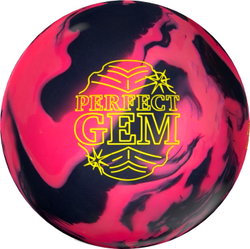
How Do I Hook a Bowling Ball?
Grip, Release & Step-by-Step
Bowling.com Pro Staff Posted: March 23, 2026
Last Updated: September 20, 2026

Quick Summary: To hook a bowling ball, use a fingertip grip, keep a smooth pendulum swing, release the thumb first, then lift with your fingers while rotating your hand (counterclockwise for right-handers, clockwise for left-handers). Medium speed with controlled spin beats throwing hard. A reactive resin ball hooks far more than a plastic house ball. Practice the release at the foul line, then put it into your full approach.
Quick Links:
Hooking a bowling ball, creating that smooth, controlled curve down the lane, is one of the best ways to boost your strike percentage. A good hook lets the ball enter the pocket (between the 1-3 pins for right-handers or 1-2 for left-handers) at an angle, driving into the pins for maximum carry and action. It's not about muscling the ball. It's really about technique, timing, and the right equipment.
Whether you're a beginner transitioning from straight shots or refining your game, this guide walks you through the essentials of the hook step by step.
Step-by-Step: How to Hook a Bowling Ball
1. Get the Right Grip
Use a fingertip grip for the best hook potential. This is where your middle and ring fingers insert only to the first joint (not the second, like a conventional "house ball" grip). Your thumb goes all the way in. This gives more leverage for rotation and spin. If you're using a house ball, they're usually conventional and harder to hook sharply, so consider getting your own drilled ball if you want to see any real progress.
2. Stance and Approach
Stand relaxed with feet shoulder-width apart, knees slightly bent. Position yourself slightly left of center (for right-handers) or right of center (left-handers) to allow room for the hook. Use a consistent 4 or 5 step approach. Keep your eyes on your target arrows or dots on the lane and aim to hit a specific board or arrow to start your ball on the right path.
3. Swing and Hand Position
Keep your swing smooth and straight back-and-through. At the bottom of the swing (near your ankle), your hand should stay under the ball (palm facing up initially). Avoid pushing or throwing the ball too hard and really focus on a pendulum-like swing. It feels counter-intuitive at first, but smooth consistency is more important than power here.
4. The Release: Where the Hook Happens
This is the key moment:
- Release your thumb first as the ball reaches the bottom of the swing.
- Then, lift with your fingers (middle and ring) while rotating your hand and wrist slightly. For right-handers, rotate counterclockwise (like turning a doorknob to the left or shaking hands with someone in front of you). For left-handers, rotate clockwise.
- Your hand should end up with the palm facing slightly left (right-handers) or right (left-handers), thumb pointing up or to the side.
- Think "hand behind the ball, then around the side", not a jerky twist, but a smooth "unrolling" or "flick" with your fingers. Keep your wrist firm but not rigid and avoid excessive cupping or breaking the wrist early.
5. Follow-Through and Finish
Continue your arm upward toward your target (like shaking hands with the pins). Stay balanced, with your body facing the lane and sliding foot stopping just behind the foul line. Consistency here builds muscle memory.
Tips for Generating More Ball Hook and Control
Balance Speed and Spin
Medium speed with controlled rotation gives a predictable hook. Too much speed equals less hook and too much spin without speed will give you over-hook or skid.
Practice Drills
Start with no-step releases at the foul line to feel the rotation. Use a tennis ball or lightweight plastic ball at home to practice the wrist flick without strain.
Common Mistakes to Avoid
- Gripping too tightly (causes tension and inconsistency).
- Over-rotating or "cranking" the wrist (leads to wild, unpredictable motion).
- Throwing too hard or using too much upper body (disrupts timing).
- Not getting the thumb out first (kills lift and rotation).
- Ignoring lane conditions (more on this below).
When to Hook the Ball vs. Throw Straight
You'll want to hook most of the time for strikes because it's ideal for hitting the pocket on the first ball. Use it on medium to oily lanes where the ball needs to skid through the front and hook hard on the backend.
Switch to a straight ball when:
- Picking up spares (especially corner pins like the 7 or 10, accuracy over hook).
- On very dry lanes (hook can over-react and miss the pocket).
- You're a beginner building consistency (master straight shots first if hooking feels unreliable).
Choosing the Right Bowling Ball for Hooking
Your ball matters a lot for your hook:
1. Coverstock
Reactive resin balls hook the most. See what the top hooking balls are right now as of September, 2026.
Avoid plastic (house balls) for strong hooks. Urethane balls are in between.
2. Weight
14-16 lbs for adults (heavier balls carry more momentum and hook potential, but only if you can control them without strain).
3. Surface
Choose a sanded/matte finish for earlier hook on oily lanes, or a polished finish for more length on drier conditions.
Invest in a fitted, reactive bowling ball with fingertip grip once you're ready. It's an absolute game-changer.
Final Thoughts: Practice and Patience
Hooking the ball well takes repetition to develop feel and consistency. Start slow, focus on clean releases, and film yourself (or better yet, get a coach!) to check your hand position. Once you dial it in, you'll see more strikes and better pin action.
Head to the lanes, experiment, and enjoy the process. Hooking a bowling ball is fun once it clicks! If you're serious, consider a lesson from a pro shop or coach to fine-tune your release. That's how you get those extra pins and really separate yourself from your competition in leagues or tournaments. Above all. Have fun! After all, this is bowling we're talking about!
Hooking a Bowling Ball Frequently Asked Questions
Q: How do I grip the bowling ball to create a hook?
A: Use a fingertip grip where your middle and ring fingers go in only to the first joint, while your thumb inserts fully. This gives you the leverage needed for finger lift and wrist rotation at release. House balls usually have a conventional grip (fingers in to the second joint), which makes it much harder to generate a strong hook. Getting your own ball properly drilled with a fingertip grip is one of the biggest game-changers for learning to hook.Q: What is the correct way to release the ball for a hook?
A: Release your thumb first as the ball reaches the bottom of the swing, then lift with your fingers while smoothly rotating your wrist. Right-handers rotate counterclockwise (like turning a doorknob left), and left-handers rotate clockwise. Keep your hand under the ball during the swing and finish with your palm facing slightly left (for righties) or right (for lefties). Focus on a smooth “unrolling” motion rather than a jerky twist.Q: Do I need to throw the ball hard to make it hook?
A: No. Medium ball speed combined with good rotation works much better than raw power. Throwing too hard reduces hook because the ball skids too far before it can grip the lane. A smooth pendulum swing and clean release create more consistent, controllable hook than muscling the ball.Q: What kind of bowling ball should I use if I want to hook it?
A: Choose a reactive resin coverstock ball with a fingertip grip. Reactive balls create strong friction with the lane for better backend hook. Avoid plastic house balls, which are designed for straight shots. Heavier balls (14–16 lbs for most adults) generally hook better if you can control them, and you can adjust surface finish (sanded for earlier hook on oil, polished for more length on dry lanes).Q: Why isn’t my bowling ball hooking even when I try to rotate my wrist?
A: Common reasons include: gripping the ball too tightly (causes tension), not releasing the thumb first, over-rotating or cranking the wrist, throwing too hard, or poor timing in the swing. It can also be the ball itself—house balls with conventional grips are very difficult to hook. Start with no-step release drills at the foul line to feel the proper finger lift and rotation, and make sure you’re on appropriate lane conditions (medium to oily lanes help the ball hook).Need more bowling tips? Search all of our bowling tip articles above.
More Recent Bowling Tips Articles

Ten Things To Do Before Your League Season Begins
The first night of league has a habit of showing you everything you skipped in the off-season. A thumb that hangs. Grips that are slick. A slide sole that grabs. A ball that has not seen a spinner since March. This is the ten-thing checklist we run before week one: fit, equipment, surface, shoes, a little practice, and the boring stuff in the bag you only notice when it is missing. Do it now and you walk in ready. Skip it and you spend night one solving problems instead of bowling.
Read ArticleEntry Angle Is Everything: How Driving the 5 Pin Turns Pocket Hits Into Strikes
Tired of hitting the pocket all night and still leaving corner pins? Check out our full article on entry angle, the measurement that separates pocket hits from strikes. Learn why the 5 pin is your best diagnostic, what the ideal entry window looks like, and how to create more angle with your release and equipment. Read the complete guide here!
Read Article