What is a bowling ball core?
Learn about the hidden engine that controls your hook and roll.
Bowling.com Pro Staff Posted: March 31, 2026
Last Updated: September 29, 2026

Quick Summary: Clear, beginner-friendly explanation of bowling ball cores, how symmetrical and asymmetrical cores differ, how they control hook and motion, and how to match core types with coverstocks and lane conditions so you can choose the right ball for your game.
When you pick up a bowling ball at the pro shop or on Bowling.com, it's easy to focus on the colorful coverstock or how shiny it looks. The truth is, a high-end ball has to look cool to grab your attention on the shelf. And the cover is important, but the real "brain" of every bowling ball, the part that decides how it rolls, skids, hooks, and finishes, is the core hidden inside.
Whether you're a beginner thinking about buying your first reactive ball, or a seasoned bowler thinking about your twenty-first, understanding cores will help you choose equipment that actually matches your bowling style, speed, and the lanes you bowl on. This guide breaks it down simply, without all the technical speak, so you can shop with confidence.
What Is a Bowling Ball Core and Why Does It Matter?
The core is the dense weight block at the center of the ball. It is not just dead weight, but controls the ball’s motion once it leaves your hand. While the coverstock (the outer shell) creates friction with the lane, the core determines how the ball uses that friction; when it starts to roll, how much it flares (spins in a wider circle), and how sharply it changes direction at the back end.
In simple terms:
- A good core helps your ball conserve energy through the front part of the lane and then “wake up” at the right moment for a strong, controlled hook.
- Without the right core, even the best coverstock can feel mushy, over-reactive, or too weak.
Key Bowling Ball Core Terms Every Bowler Should Know
You’ll see three numbers on every ball spec sheet:
- RG (Radius of Gyration): Measures how quickly the ball wants to start rolling. Lower RG = earlier roll (good on dry or short patterns). Higher RG = longer skid (great on heavy oil).
- Differential: How much the ball flares. Higher differential = bigger hook potential and more backend snap.
- Mass Bias (or Intermediate Differential): Only present in asymmetrical cores. It creates an extra “preferred spin axis” that makes the ball change direction more aggressively.
I know I said we'd avoid technical speak, and these numbers sound complicated, but they translate directly to real-lane feel: smoother and more predictable versus sharper and more angular.
Symmetrical Cores vs. Asymmetrical Cores
Bowling.com separates balls into Symmetrical Core and Asymmetrical Core categories for a reason. The shape of the core inside changes everything.
Symmetrical Cores
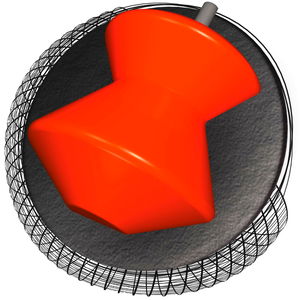 These have even weight distribution on all sides (think of a perfectly balanced pancake or short bullet shape).
- They produce a smoother, more controlled arc.
- Lower flare potential, so the ball is more forgiving and predictable.
- You’ll find them in Plastic, Entry-Level, Mid Performance, and many Upper Mid Performance balls.
- Best for: Straight-to-mild hook players, dry-to-medium lanes, or bowlers who want consistency without over-reacting.
- Real-world feel: The ball glides through the front, rolls smoothly in the mid-lane, and finishes with a gentle curve.
- Perfect for house shots or when you need to play straighter.
Asymmetrical Cores
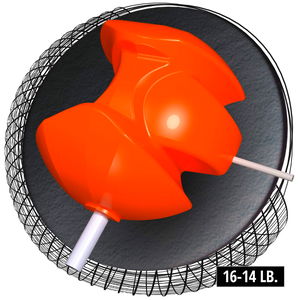 These have uneven weight distribution and a built-in mass bias (the weight is “lopsided” inside).
- They create higher flare and a stronger, more angular backend reaction.
- The ball stores more energy and then explodes at the breakpoint.
- You’ll see them mostly in Upper Mid Performance and High Performance reactive balls.
- Best for: Crankers, speed-dominant players, or anyone bowling on heavy oil or sport patterns who needs extra hook and entry angle.
- Real-world feel: Cleaner through the front, stronger mid-lane read, and a sharp “snap” at the pins.
- Exactly what you want when the lanes are flooded with oil.
How Do Cores Work With Different Coverstocks and Lane Conditions?
So, perhaps I downplayed the coverstock a bit in the intro, because truthfully, the core and coverstock really work as a team:
- Plastic coverstock + symmetrical core (Plastic Balls): Straight shots only. Great for spares or absolute beginners.
- Urethane coverstock + symmetrical core: Controlled roll with less backend. Excellent on dry lanes or when you need predictability.
- Entry-level reactive (solid or pearl) + symmetrical core: Mild hook with easy control, the perfect step up from house balls.
- Mid/Upper Mid reactive (hybrid or pearl) + symmetrical core: Versatile length and smooth arc on medium conditions.
- High-performance reactive (solid, hybrid, or pearl) + asymmetrical core: Maximum hook on heavy oil. The core’s mass bias lets the coverstock “grip and rip” at the back end.
Lane-condition matchups
- Heavy oil / long patterns: High differential asymmetrical core + solid or hybrid reactive coverstock (High Performance category).
- Medium or blended house shots: Symmetrical or mild asymmetrical core with pearl or hybrid reactive.
- Dry or short patterns: Lower RG symmetrical core with pearl reactive or urethane.
Choosing the wrong pairing is like putting racing tires on a Honda Odyssey. It just won’t perform the way you expect.
Recent Innovations in Bowling Ball Core Technology
Core design has advanced a lot in the last couple of years. Manufacturers now use:
- Dual-density cores that combine two different densities of material inside one weight block for more precise control over when the ball revs up.
- AI-optimized cores that fine-tune weight placement for layout-sensitive reactions; the ball behaves more consistently no matter how you drill it.
- Intentional core shapes engineered for specific motion profiles (longer skid with sudden snap, or earlier roll with strong continuation).
These newer cores appear mainly in Upper Mid and High Performance balls. They give bowlers more “tunable” reactions without needing a dozen balls in their bag.
So how do I choose the right core when I buy a new bowling ball?
Start simple:
Brand-new to bowling?
Begin with an Entry-Level symmetrical core ball: 1) Storm Tropical Surge Pearl Kiwi-Apple-Avocado, 2) Brunswick Rhino Red/Black/Gold Pearl, 3) Storm Tropical Surge Pearl Teal/Blue
Returning after years away?
Go with a Mid Performance symmetrical core reactive ball: 1) Storm Typhoon, 2) Hammer Bubblegum Vibe, 3) Storm Hy-Road 40. These will forgive small mistakes and help you develop a consistent hook.
Already averaging 160+ and want more hook?
Step up to an Upper Mid asymmetrical core ball: 1) Hammer Black Widow 3.0 Solid, 2) Hammer Black Widow 2.0 Hybrid, 3) Hammer Black Widow 3.0 Dynasty.
Bowling sport patterns or heavy house oil?
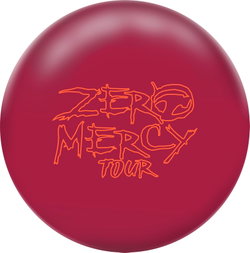
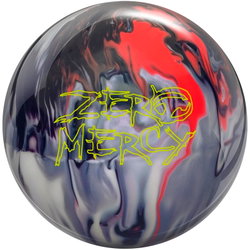
Go straight to a high-performance asymmetrical core ball with a strong solid or hybrid coverstock: 1) Hammer Zero Mercy Hybrid, 2) Radical Torpedo Pearl, 3) Storm Ion Pro Solid.
Always get your ball properly fitted (fingertip grip recommended for most bowlers looking to bowl competitively.) and let the pro shop drill it to match your style. A great core in the wrong layout still won’t work.
Bowling Ball Cores: Main Takeaways
- The core controls when and how strongly your ball hooks.
- Symmetrical cores = smoother, more predictable motion (great for beginners and medium conditions).
- Asymmetrical cores = sharper, more angular hook (ideal for heavy oil and advanced play).
- Match the core to your coverstock and lane conditions for best results.
- Newer AI and dual-density cores give even more control in High Performance balls.
- Don’t overthink specs. Focus on performance level and core type first, then test on your lanes.
- Buying your own ball with the right core is one of the fastest ways to raise your average.
Ball Cores Frequently Asked Questions
Q: Do I need an asymmetrical core if I’m just a league bowler?
A: Not necessarily. Most house-shot bowlers do great with symmetrical-core balls in the Entry-Level or Mid Performance category. Only move to asymmetrical when you feel your current ball lacks backend punch on heavier oil.Q: What’s the difference between low RG and high RG cores?
A: Low RG cores make the ball start rolling earlier (good on drier lanes). High RG cores let the ball skid longer before hooking (better on heavy oil). Most beginners prefer medium-to-low RG for easier control.Q: Can I change the core reaction by changing the coverstock?
A: Yes, but only to a point. A strong asymmetrical core with a pearl coverstock will still hook more sharply than the same core with a solid coverstock. The core sets the foundation; the coverstock fine-tunes it.Q: Are symmetrical cores only for plastic or entry-level balls?
A: No. Many Upper Mid and even some High Performance balls use symmetrical cores. They just pair them with stronger reactive covers for more overall power while keeping the motion smooth.Q: How important is mass bias in asymmetrical cores?
A: Very important. Mass bias is what gives asymmetrical cores their extra “snap” and angularity. Higher mass bias = more aggressive backend reaction, which is why these balls dominate on tough lane conditions.Need more info on bowling balls? Search all of our bowling ball articles above.
More Recent Bowling Balls Articles

Choosing the Right Spare Ball: Plastic, Viz-A-Balls, Clear Spares, Spares with Cores, Hard Urethane, Low-End Reactive
This guide walks through every spare-ball option, from basic plastic and Viz-A-Balls to clear covers, plastic with cores, hard urethane, and low-end reactive, so you can match the ball to your style and the conditions you actually bowl.
Read ArticleWhat New Bowling Ball Hooks the Most? Top 3 Hooking Balls (September, 2026)
If you already know everything there is to know about hook potential... take a look at the top 3 new balls that really hook on the lanes!
Read Article