Bowling Balls (Ball Coverstocks) Frequently Asked Questions
updated: October, 2026Have a question about ball coverstocks? This is the place where we've gathered all our questions about ball coverstocks from our guides and articles, so you can find expert answers quickly and get back to bowling. For the quickest answers, use the search bar below.
Q: What is a bowling ball coverstock and why does it matter?
A: The coverstock is the outer shell of the bowling ball that touches the lane. It controls how much friction the ball creates with the oil and dry parts of the lane, directly affecting hook potential, length, and overall reaction. Even with the same core, different coverstocks can make the ball behave very differently. The coverstock is one of the two most important factors (along with the core) when choosing a ball.Q: What are the main types of bowling ball coverstocks?
A: There are three primary types: Plastic (Polyester), Urethane, and Reactive Resin. Plastic has the lowest hook and is used mainly for spares. Urethane offers moderate, smooth hook with excellent control. Reactive Resin is the most popular for striking because it creates strong friction and hook. Reactive comes in three subtypes: Solid, Pearl, and Hybrid.Q: What is the difference between solid, pearl, and hybrid reactive coverstocks?
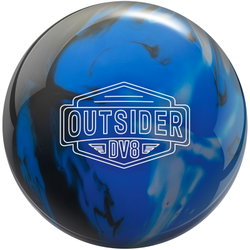
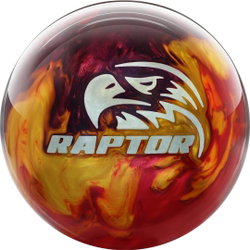
A: Solid reactive coverstocks have a matte finish and provide early traction with a smooth arc (best on heavier oil). Pearl reactive coverstocks have a shiny finish with pearl particles for longer skid and a sharper backend snap (best on medium to dry lanes). Hybrid reactive coverstocks combine both for balanced midlane read and backend reaction, making them very versatile on typical house shots.Q: Which coverstock should a beginner choose?
A: Beginners should start with an entry-level reactive resin coverstock (solid or hybrid) for learning to hook the ball. Plastic coverstocks are also good as a spare ball because they go very straight. Avoid high-performance reactive balls until you have consistent form, as they can be harder to control.Q: How does surface finish affect a bowling ball's reaction?
A: Surface finish greatly changes how a ball performs. Sanded or matte finishes increase friction for earlier hook and more traction (good on oil). Polished or shiny finishes reduce friction for more length and sharper backend (good on drier conditions). You can adjust the surface yourself with sanding pads or by taking it to a pro shop to fine-tune the ball to your needs.
Bowling.com Knowledge Hub:
Your One-Stop For Bowling Education
More than just a blog, the Bowling.com Knowledge Hub is your one-stop resource for everything related to bowling learning and education. Whether you’re a beginner trying to pick your first ball or a serious league bowler looking to fine-tune your arsenal, the Bowling.com Pro Staff has created in-depth guides, the latest ball reviews, performance charts, and practical tips.