The Ultimate Bowling Shoe Guide:
What are the best shoes for my game?
Bowling.com Pro Staff Posted: May 23, 2026
Last Updated: October 6, 2026

Quick Summary: A comprehensive guide covering bowling shoe types (beginner to advanced), interchangeable soles and heels, key features, buying advice, popular brands, and maintenance tips to improve consistency and reduce injury risk.
Just like other sports, bowling uses a specialized type of footwear designed to help you move safely and consistently. Unlike most athletic shoes, where the goal is to prevent sliding, bowling shoes are built to promote a controlled slide with a smooth, felt‑like sole. The heel, on the other hand, provides traction to help you stop at the end of your approach.
This guide breaks down three types of bowling shoes, explains how soles and heels work, and helps you choose the right pair for your game.
What Are Bowling Shoes?
Bowling shoes are designed with two key components:
- A smooth slide sole on the front half of the shoe
- A tackier heel that acts as a brake
This combination allows bowlers to slide into their release, reducing stress on the knees and hips, while still being able to stop safely and consistently.
Consistency is everything in bowling. Rental shoes aren’t built with performance materials, and their soles vary widely in wear and slide level. For bowlers who want to improve, protect the approach, and avoid injury, owning a pair of shoes matched to your skill level is essential.
3 Types of Bowling Shoes
Bowling shoes fall into three main categories:
- Beginner shoes
- Intermediate shoes
- Advanced shoes
Each category fits different bowlers based on experience, frequency of play, and performance needs.
Beginner Shoes:
Beginner shoes are the entry point for new or casual bowlers. They provide the slide you need without any complexity.
What makes them beginner‑friendly?
- Universal slide sole (same on both feet)
- Sneaker‑like comfort
- No interchangeable parts
- Simple, affordable, and easy to use
These shoes help new bowlers learn proper footwork without worrying about customization.
Typical Price range: $45–$80
Best for:
- New bowlers
- Kids with growing feet
- Casual league or open‑play bowlers
Top beginner options:
Intermediate Shoes:
Intermediate shoes bridge the gap between casual and competitive play. They’re ideal for bowlers who compete in league but typically bowl in the same 1–2 centers.
What makes them intermediate?
- Better materials and support
- Some interchangeable soles/heels
- More consistent slide and braking
- Optional BOA system on select models
These shoes give bowlers a taste of performance customization without the cost of a full tournament shoe.
Typical Price range: $100–$150
Best for:
- League bowlers in consistent environments
- Bowlers wanting more control without a big investment
- Players who want limited customization
Top intermediate options:
Advanced Shoes:
Advanced shoes are built for competitive bowlers who need full control over their slide, stop, and stability, especially when traveling to different bowling centers.
What makes them advanced?
- Fully interchangeable soles and heels
- Premium materials for maximum longevity
- Left and right‑handed specific designs
- BOA system on nearly all models
These shoes allow bowlers to fine‑tune their slide based on approach conditions, humidity, temperature, and personal preference.
Typical Price range: $200–$300
Best for:
- Tournament bowlers
- Bowlers who travel to multiple centers
- Anyone needing maximum consistency and customization
Top advanced options:
Soles and Heels Explained
Many intermediate and advanced shoes allow bowlers to swap out soles and heels. This matters because approach conditions change:
- Tacky approaches use a more slippery sole
- Slick approaches use a stickier sole
Soles and heels are rated on a sliding scale (Dexter uses a 2–10 system) to help bowlers match their slide to the environment.
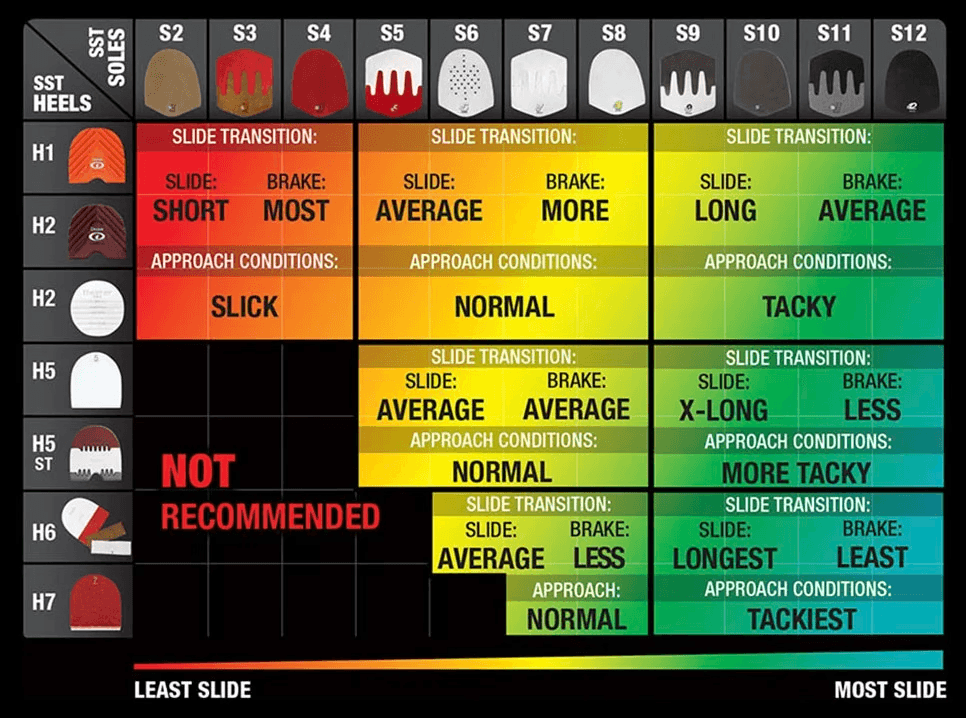
Typical Price range: $20–$30 each
Longevity: Multiple years with proper care
Tournament bowlers should carry at least two or more sole/heel options to stay prepared for different centers.
Which Shoe Type is Best For You?
Here's a quick breakdown of the pros, cons, and ideal bowler for each category:
Beginner shoes:
Pros:
- Most affordable
- Easy to use
- Great introduction to proper footwork
Cons:
- Shorter lifespan
- Universal slide sole (less control)
- Less stable materials
Best for:
- New bowlers
- Kids
- Casual players
Intermediate shoes:
Pros:
- Cheaper than advanced shoes
- Some customization
- Better durability
- BOA available on some models
Cons:
- Not fully customizable
- Materials still below advanced quality
- Pricing varies widely
Best for:
- League bowlers in consistent environments
- Bowlers wanting limited customization
- Players upgrading from beginner shoes
Advanced shoes:
Pros:
- Longest lifespan
- Maximum customization
- BOA system standard
- Best stability and performance
Cons:
- Most expensive
- Rarely discounted
- Fewer color options
Best for:
- Tournament bowlers
- Bowlers traveling to many centers
- Players needing precise slide control
Final Thoughts
A good pair of bowling shoes can last 5, 10, or even 20 years with proper care. Whether you’re just starting out or competing at a high level, choosing the right shoe will improve your consistency, protect your body, and elevate your overall game.
Bowling Shoe Guide Frequently Asked Questions
Q: Why should I buy my own bowling shoes instead of renting?
A: Rental shoes are worn by hundreds of people, have inconsistent slide and grip, and offer no performance advantage. Owning your own pair gives you consistent slide and braking, better foot support, and helps protect your knees and hips. It also improves consistency and reduces the risk of injury over time.Q: What are the three main types of bowling shoes?
A: Bowling shoes generally fall into three categories: Beginner shoes ($45–$80) offer simple universal slide soles and sneaker-like comfort with no interchangeable parts — great for new bowlers and kids. Intermediate shoes ($100–$150) provide better materials, some interchangeable soles/heels, and improved support — ideal for regular league bowlers. Advanced shoes ($200–$300) feature fully interchangeable soles and heels, premium materials, BOA systems, and left/right-specific designs — built for tournament bowlers and serious competitors.Q: What are interchangeable soles and heels and do I need them?
A: Interchangeable soles and heels let you adjust how much your slide foot glides and how quickly your push-off foot stops. Soles and heels are rated on a scale (e.g., Dexter’s 2–10 system). Tacky approaches need slicker soles, while slick approaches need stickier ones. Tournament bowlers and anyone who bowls on multiple surfaces benefit most from having options. League bowlers in consistent centers can often get by with fixed or limited-interchange options.Q: How do I choose the right bowling shoes for my game?
A: Start with your frequency and goals. Casual or new bowlers should choose comfortable beginner shoes with a universal slide sole. Regular league players usually do well with intermediate shoes that offer some customization. Competitive or traveling bowlers should invest in advanced shoes with full interchangeable soles/heels and a BOA system for maximum control and consistency across different approaches.Q: How long do bowling shoes last and how do I maintain them?
A: A good pair of bowling shoes can last 5–20 years with proper care. Keep the slide sole clean and free of dirt/wax, store them in a cool dry place, and replace worn soles and heels as needed (they typically last multiple years). Avoid wearing them outside the bowling center to prevent damage to the slide sole.Need more info on bowling shoes? Search all of our bowling shoe articles above.
More Recent Bowling Shoes Articles

What are the best cheap bowling shoes? We look at rentals, athletic styles, and closeout options.
Tired of rental shoes that never fit right? This guide breaks down the three most affordable ways to own your own pair, rental-style, athletic, or closeout bowling shoes, so you can find comfortable, reliable shoes that actually improve your game without spending a lot.
Read ArticleWhat Do the Numbers on Bowling Shoes Mean?
Your bowling approach is everything. A smooth, consistent slide sets up perfect timing, balance, and power at the foul line. But every bowling center feels different, tacky wooden approaches after a busy league night, slick synthetics in dry desert air, or humid summer lanes that grab your feet. That’s where interchangeable (or adjustable) soles and heels shine. Learn all about them here.
Read Article