The Difference Between Plastic, Urethane, and Reactive Coverstocks:
Which One Do I Need?
Bowling.com Pro Staff Posted: July 16, 2026
Last Updated: October 14, 2026

Quick Summary: A clear, practical breakdown of plastic, urethane, and reactive bowling ball coverstocks, what each one does on the lane, who it’s best for, and how to choose the right type for your game and typical conditions. Perfect for beginners and league bowlers ready to build a smarter bag.
If you’re staring at bowling balls online or in the shop and wondering why one coverstock costs way more than another, you’re not alone. The coverstock, that outer shell of the ball, is a big part of what decides how your ball behaves on the lane. It controls friction, hook potential, and how well it handles oil. If you get the coverstock right, your game gets a lot easier. Let’s break down plastic, urethane, and reactive coverstocks in plain terms so you can pick what actually fits your style.
Plastic Coverstocks: Straight, Simple, and Built to Last
Plastic balls are the workhorses most of us started with. They have a hard, smooth polyester shell that creates very little friction with the lane. That means they go pretty straight with minimal hook.
Why bowlers love plastic balls:
- Great for straight shooters and beginners learning consistency.
- Perfect spare balls, especially for tricky corner pins like the 10-pin or 7-pin.
- Super durable and affordable. They hold up to heavy use and don’t pick up much lane oil.
- Excellent on dry lanes or when you just need something predictable.
If you’re new or mainly throwing straight, a good plastic ball (like the classic Brunswick TZone options we carry) will serve you for years. Many league bowlers keep one in their bag as their go-to spare ball because it reacts the same way every time. Take a look at our top 6 selling plastic balls right now: 1) Brunswick TZone Night Sky, 2) Brunswick TZone Caribbean Blue, 3) Brunswick TZone Indigo Swirl, 4) Storm Clear Storm Teal, 5) Brunswick TZone Frozen Bliss, 6) Brunswick TZone Deep Space
Urethane Coverstocks: Smooth Control with a Touch of Hook
Urethane sits in the middle. It’s softer than plastic but doesn’t grab the lane like reactive resin. You’ll get a smoother, more controlled arc instead of a sharp hook.
Urethane balls are best for:
- Bowlers who want more predictability than reactive but more motion than plastic.
- Medium to dry conditions where you need the ball to roll smoothly without over-reacting.
- Players working on their release or fighting inconsistent hook.
Urethane is popular among some pros and serious league bowlers for its forgiveness. It doesn’t hook as aggressively, so it’s easier to control on tricky patterns. If your reactive balls are hooking too much or you bowl on lighter oil, a solid urethane can really help with your consistency. For pearl urethane balls, see the products above. Or check out our top regular urethane balls here: 1) Storm IQ Tour 78/U, 2) Storm Pitch Black Solid Urethane, 3) Storm Pitch Black Solid Urethane-ALMOST NEW
Reactive Coverstocks: The Hook Machines for Serious Oil Play
Reactive resin coverstocks are where most performance bowling starts. These balls have special additives that create tons of friction once they hit the dry part of the lane. That’s what gives you that strong backend reaction and big hook potential.
Reactive balls come in a few flavors:
- Solid reactive: Earlier, smoother hook. Great for heavier oil. 1) Motiv Venom Shock, 2) Hammer Black Widow 3.0 Solid, 3) Hammer Black Widow 3.0 Dynasty
- Pearl reactive: Skids farther and snaps harder on the backend. Good for medium to lighter oil. 1) Storm Next Factor - 14 and 15 ONLY, 2) Radical Torpedo Pearl, 3) Storm Phaze II Pearl
- Hybrid reactive: Combines the best of both for versatile performance. 1) Motiv Supra Clutch, 2) Storm Bionic, 3) Hammer Zero Mercy Hybrid
Reactive balls shine on typical house shots and sport patterns. They help crankers get maximum entry angle and let strokers create controlled power. The downside? They pick up oil faster, so you’ll need to clean them regularly (more on that later).
Which Coverstock Do I Actually Need?
Here’s the practical answer most bowlers are looking for:
- Just starting out or throwing straight? Go plastic. It’s forgiving, cheap, and builds confidence fast. You can always add more later.
- Want better control without crazy hook? Try urethane. It’s a nice step up that many bowlers keep as a “benchmark” or spare option.
- Bowling on oiled lanes and wanting to hook the ball? Reactive is what you need. Most serious league and tournament bowlers build their arsenal around reactive balls.
Ultimately, most bowlers end up with a mix. A plastic or urethane spare ball plus a couple of reactive balls for strikes gives you the most versatility. Think about your typical lane conditions and how you throw the ball. If you’re a higher rev player, reactive will love you. If you’re smoother or bowl on drier lanes, urethane might be your best friend.
Quick Tips to Make the Right Choice
- Match the coverstock to the oil: More oil usually needs stronger reactive. Dry lanes often play better with urethane or plastic.
- Consider your speed and rev rate: Slower speed or lower revs? Stronger reactive coverstocks help. Faster speed? Smoother pearls or urethane can prevent over-hooking.
- Don’t forget maintenance: Reactive balls need regular cleaning with a good microfiber towel or approved cleaner to keep their reaction strong.
At Bowling.com we stock a huge selection across all these types so you can compare and find the perfect match for your game. Whether you’re looking for your first performance ball or rounding out your bag, our filters make it easy to shop by coverstock, performance level, and price.
Got questions about a specific ball or your style? Drop us a line or check out our other Knowledge Hub articles on cores, ball weight, and building an arsenal. Our goal is to help you get the right gear so you can focus on knocking down pins.
Bowling Ball Coverstock Comparison Frequently Asked Questions
Q: What is the main difference between plastic, urethane, and reactive coverstocks?
A: Plastic coverstocks offer the least hook and go very straight, making them ideal for beginners and spare shots. Urethane provides smoother, more controlled motion with moderate hook—great for medium to dry lanes. Reactive resin coverstocks create the most friction and hook, especially on the backend, which is what most performance balls use for oiled house shots.Q: Which coverstock should a beginner choose first?
A: Most beginners should start with a plastic or entry-level reactive ball. Plastic is forgiving and great for learning straight shots and spares. Once you're comfortable, add a basic reactive coverstock ball to start developing hook. Urethane is a good middle step if you want more control before going fully reactive.Q: Do reactive balls require more maintenance than plastic or urethane?
A: Yes. Reactive balls pick up lane oil faster, so you'll want to clean them regularly with a microfiber towel or approved cleaner to keep their hook strong. Plastic and urethane are lower maintenance and more durable over time with less cleaning needed.Q: Can I use a urethane ball as my spare ball?
A: Absolutely—many bowlers prefer urethane or plastic for spares because they offer predictable, controllable motion. A dedicated plastic spare ball is the most common choice, but a urethane can work well if you want a little more hook on tricky spares.Q: How do I know if I need to upgrade from plastic to reactive coverstocks?
A: If you're consistently hitting your mark but want more pin action and hook, or if you bowl on typical oiled lanes, it's time to add a reactive ball. Most league bowlers eventually build an arsenal with both plastic/urethane for spares and reactive balls for strikes.Need more info on bowling balls? Search all of our bowling ball articles above.
More Recent Bowling Balls Articles
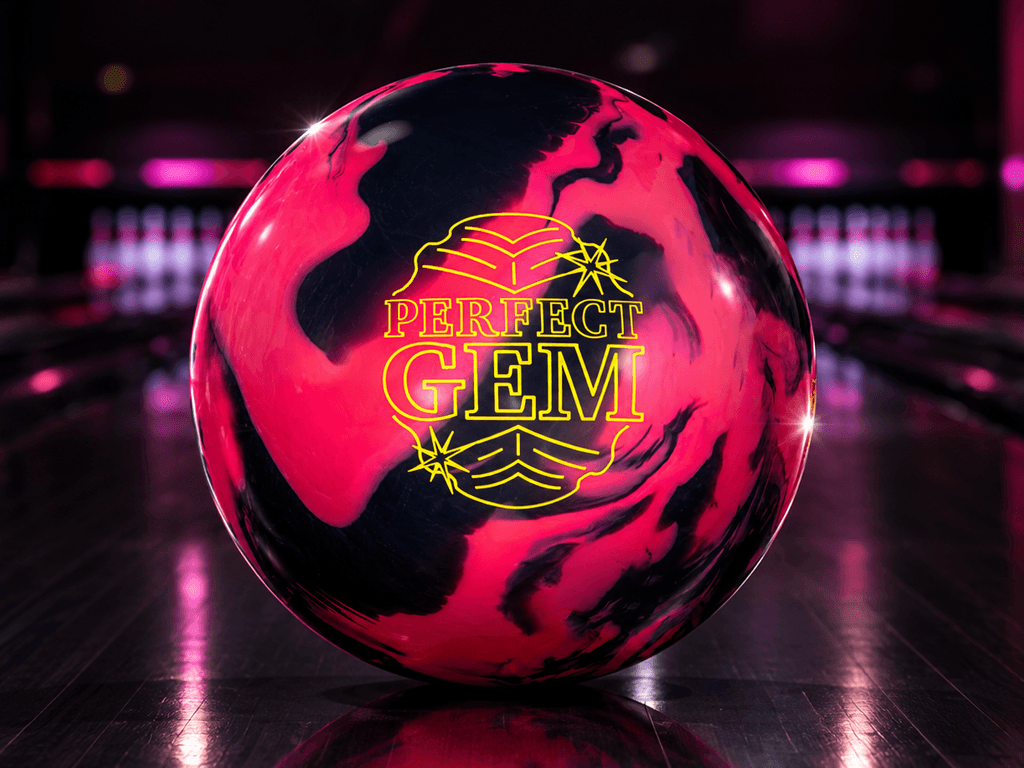
Roto Grip Perfect Gem Ball Review: The Cleaner Gem That Still Hits
The Roto Grip Perfect Gem is the most usable Gem in the line. It keeps the strong, early Gem roll bowlers already trust, gets through the heads a little cleaner than the original, and still drives through the pins once the pair starts to open up. Read the review to find out if this gem is perfect for you!
Read ArticleHow to Choose a Spare Ball: Plastic vs Clear vs Urethane
This guide walks through every spare-ball option, from basic plastic and Viz-A-Balls to clear covers, plastic with cores, hard urethane, and low-end reactive, so you can match the ball to your style and the conditions you actually bowl.
Read Article