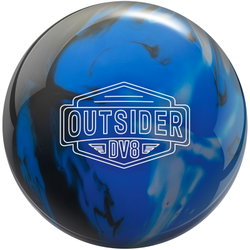
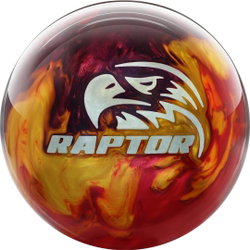
Bowling Balls (Bowling Ball Coverstock Comparison) Frequently Asked Questions
updated: October, 2026Have a question about bowling ball coverstock comparison? This is the place where we've gathered all our questions about bowling ball coverstock comparison from our guides and articles, so you can find expert answers quickly and get back to bowling. For the quickest answers, use the search bar below.
Q: What is the main difference between plastic, urethane, and reactive coverstocks?
A: Plastic coverstocks offer the least hook and go very straight, making them ideal for beginners and spare shots. Urethane provides smoother, more controlled motion with moderate hook—great for medium to dry lanes. Reactive resin coverstocks create the most friction and hook, especially on the backend, which is what most performance balls use for oiled house shots.Q: Which coverstock should a beginner choose first?
A: Most beginners should start with a plastic or entry-level reactive ball. Plastic is forgiving and great for learning straight shots and spares. Once you're comfortable, add a basic reactive coverstock ball to start developing hook. Urethane is a good middle step if you want more control before going fully reactive.Q: Do reactive balls require more maintenance than plastic or urethane?
A: Yes. Reactive balls pick up lane oil faster, so you'll want to clean them regularly with a microfiber towel or approved cleaner to keep their hook strong. Plastic and urethane are lower maintenance and more durable over time with less cleaning needed.Q: Can I use a urethane ball as my spare ball?
A: Absolutely—many bowlers prefer urethane or plastic for spares because they offer predictable, controllable motion. A dedicated plastic spare ball is the most common choice, but a urethane can work well if you want a little more hook on tricky spares.Q: How do I know if I need to upgrade from plastic to reactive coverstocks?
A: If you're consistently hitting your mark but want more pin action and hook, or if you bowl on typical oiled lanes, it's time to add a reactive ball. Most league bowlers eventually build an arsenal with both plastic/urethane for spares and reactive balls for strikes.
Bowling.com Knowledge Hub:
Your One-Stop For Bowling Education
More than just a blog, the Bowling.com Knowledge Hub is your one-stop resource for everything related to bowling learning and education. Whether you’re a beginner trying to pick your first ball or a serious league bowler looking to fine-tune your arsenal, the Bowling.com Pro Staff has created in-depth guides, the latest ball reviews, performance charts, and practical tips.