5 Levels of Beginner Bowling Balls:
Finding the Right First Ball
Bowling.com Pro Staff Posted: October 29, 2026
Updated: October 30, 2026

Quick Summary: What bowling ball should a beginner buy? Entry-level balls come in 5 levels, each with a little more hook than the last. Most first-time reactive bowlers should start at Level 3 (Hammer Raw, Storm Tropical Surge or KR Strikeforce Rise). Slower or younger bowlers do well with Level 2, the Brunswick Rhino.
Quick Links:
One of the biggest mistakes beginner bowlers make is buying the wrong first bowling ball. With dozens of ball options for beginners, it's easy to be overwhelmed by coverstocks, cores, colors, and prices.
Entry-level bowling balls exist to make that decision easier. They are designed to cost less, hook less, and help bowlers learn the game without investing hundreds of dollars into high-performance equipment.
But... not all entry-level bowling balls are created equal.
There are five distinct levels of entry-level balls, with each level offering more hook potential at a higher price point than the level before it. Understanding these levels makes it much easier to choose a ball that matches your game, whether you're a brand-new bowler or an experienced player looking for a weaker option.
What Is an Entry-Level Bowling Ball?
What is an entry level ball? An entry-level bowling ball is a ball designed to be more affordable and easier to control than higher-performance equipment.
Compared to advanced bowling balls, entry-level options generally:
- Cost less money
- Hook less overall
- Come in a wider variety of colors and designs
These balls are ideal for learning the fundamentals of the game while still providing enough performance for many league bowlers and even experienced players. Let's look at the levels.
Level 1: Plastic Bowling Balls
Level 1 consists of traditional plastic bowling balls. These balls are designed to travel as straight as possible and produce little to no hook.
For bowlers who just want a ball that fits their hand or want the straightest reaction available, a plastic ball is often the best choice.
Pros
Plastic balls are the cheapest bowling balls available and offer the most predictable motion. Their straight-line reaction makes them ideal for beginners who aren't trying to hook the ball and for experienced bowlers looking for a spare ball.
Cons
Plastic balls provide virtually no hook potential. Bowlers who want to learn modern strike-ball techniques will often outgrow them quickly.
Examples
Price
Plastic balls are the most affordable entry-level balls.
Level 2: Lowest Hooking Reactive Balls
Level 2 consists of a single bowling ball line: the Brunswick Rhino.
The Rhino is currently the weakest reactive resin bowling ball available. It hooks more than plastic but less than every other reactive ball on the market.
For beginners looking to learn how to hook the ball without spending much money, the Rhino is one of the safest choices available.
Pros
The Rhino offers a small amount of hook while remaining extremely controllable. It's also one of the most affordable reactive resin balls available and comes in many different colors.
Cons
Bowlers who develop more speed and rev rate may eventually outgrow the Rhino's limited hook potential.
Price
Low hooking reactive balls are a small step up in price from plastic.
Level 3: Budget Reactive Bowling Balls
Level 3 introduces a group of bowling balls that offer more hook than the Rhino while remaining under the $100 mark.
These balls represent the sweet spot for many first-time bowlers. They create enough motion to teach proper hook techniques without becoming difficult to control.
Pros
These balls provide a noticeable increase in hook potential while maintaining beginner-friendly control and pricing.
Cons
While stronger than the Rhino, they still may not offer enough traction for bowlers with high speed or lower rev rates.
Examples
Price
Budget reactive balls are another minimal price jump (but still very reasonable) up from level 2 (low hooking reactive).
Level 4: Upper Entry-Level Bowling Balls
Level 4 is where bowlers start seeing a more significant jump in overall hook potential. These balls create stronger lane motion and offer performance that can satisfy both beginner and experienced bowlers.
If you're looking for an entry-level ball that can remain in your arsenal for years, this level is worth considering.
Pros
These balls provide substantially more hook than Levels 1-3 while still remaining affordable. They work well for bowlers who need more traction but aren't ready for high-performance equipment.
Cons
Some newer bowlers may find these balls too strong, especially if they already create significant hook with slower ball speeds.
Examples
Price
Upper entry-level balls are the second highest price range of the five levels.
Level 5: Premium Entry-Level Performance
Level 5 represents the strongest entry-level bowling balls available before stepping into true mid-performance and high-performance equipment.
These balls offer enough hook to compete in league play while remaining more affordable than premium releases.
Pros
Level 5 bowling balls provide the most hook, strongest motion, and greatest versatility among entry-level options. Many experienced bowlers continue using these balls because of their exceptional value.
Cons
The additional hook can be difficult for true beginners to control. The higher price point may also push some bowlers toward mid-performance equipment instead.
Examples
Price
These premium entry-level balls are the most expensive entry balls we sell, a bit more than the upper entry. But even still, they won't break the bank!
Which Level Should You Choose?
For most bowlers buying their very first reactive bowling ball, Level 3 is the best starting point. Balls like the Hammer Raw, Tropical Surge, and KR Strikeforce Rise offer an ideal combination of affordability, performance, and forgiveness. See our top 5 best balls for beginners article.
If you're a younger bowler, a beginner who throws the ball slowly, or someone who wants the easiest transition into reactive equipment, Level 2's Brunswick Rhino is difficult to beat.
Meanwhile, experienced bowlers who need a weaker ball for dry lanes or lower-volume oil patterns often find themselves choosing Level 4 and Level 5 equipment because of the additional hook and versatility.
Final Thoughts
Entry-level balls aren't just for beginners. While they're designed to be affordable and easy to control, many experienced bowlers still carry these balls in their tournament and league arsenals.
The key is understanding the progression. As you move from Level 1 to Level 5, you're gaining more hook potential, more overall performance, and a higher price tag. Choosing the right level depends on your skill level, ball speed, rev rate, and goals as a bowler.
The best first bowling ball isn't necessarily the strongest one. It's the one that gives you the right amount of hook to learn, improve, and enjoy the game!
Beginner Bowling Ball Levels Frequently Asked Questions
Q: What are the 5 levels of beginner bowling balls?
A: Level 1 is plastic (straightest). Level 2 is the Brunswick Rhino (lowest-hooking reactive). Level 3 is budget reactives like the Hammer Raw or Tropical Surge. Level 4 is upper entry-level with more hook. Level 5 is premium entry-level, the strongest before mid-performance balls.Q: Which level should a beginner start with?
A: Most first-time reactive bowlers do best at Level 3 (Hammer Raw, Storm Tropical Surge, or KR Strikeforce Rise). These give enough hook to learn without being hard to control. Slower or younger bowlers should start at Level 2 with the Rhino.Q: Is a plastic ball good enough for a first bowling ball?
A: Yes, if you just want something that fits your hand and goes straight. Plastic is the cheapest and most predictable option. Most bowlers who want to learn hook will outgrow it quickly and move to a Level 2 or Level 3 reactive.Q: How much more hook do you get at each level?
A: Each level adds a little more hook than the one before it. Plastic has almost none. The Rhino has a small, controllable amount. Level 3 and up give progressively stronger motion while still staying more affordable and easier to control than mid- or high-performance balls.Q: Can experienced bowlers use entry-level balls?
A: Yes. Many keep a Level 4 or Level 5 ball for dry lanes or lower-volume patterns. Entry-level balls are not just for beginners. They are simply more affordable and more controllable than stronger equipment.Need more info on bowling balls? Search all of our bowling ball articles above.
More Recent Bowling Balls Articles

Top 5 Best Bowling Balls for Beginners: Fall 2026
Five easy-to-control balls that help new bowlers, and kids, build confidence without frustration. The list mixes straight plastic options with mild-hook entry reactives that are forgiving, durable, and available in lighter weights.
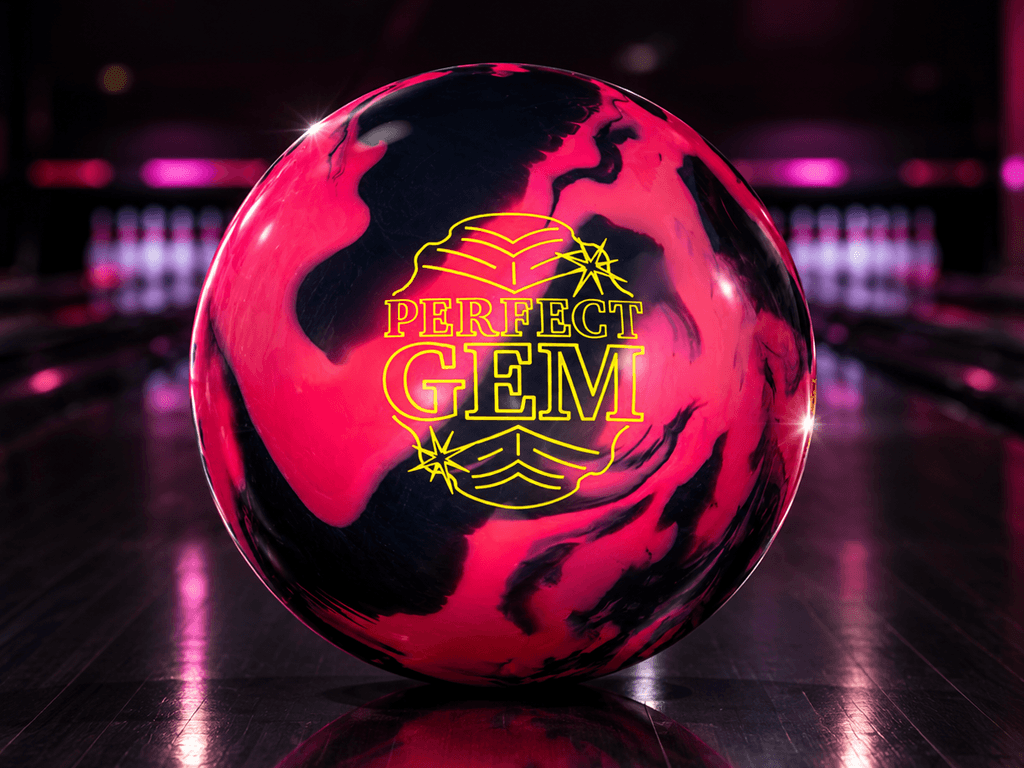
Read ArticleRoto Grip Perfect Gem Ball Review: The Cleaner Gem That Still Hits
The Roto Grip Perfect Gem is the most usable Gem in the line. It keeps the strong, early Gem roll bowlers already trust, gets through the heads a little cleaner than the original, and still drives through the pins once the pair starts to open up. Read the review to find out if this gem is perfect for you!
Read Article